
Ingredients for a Lifetime of Preaching
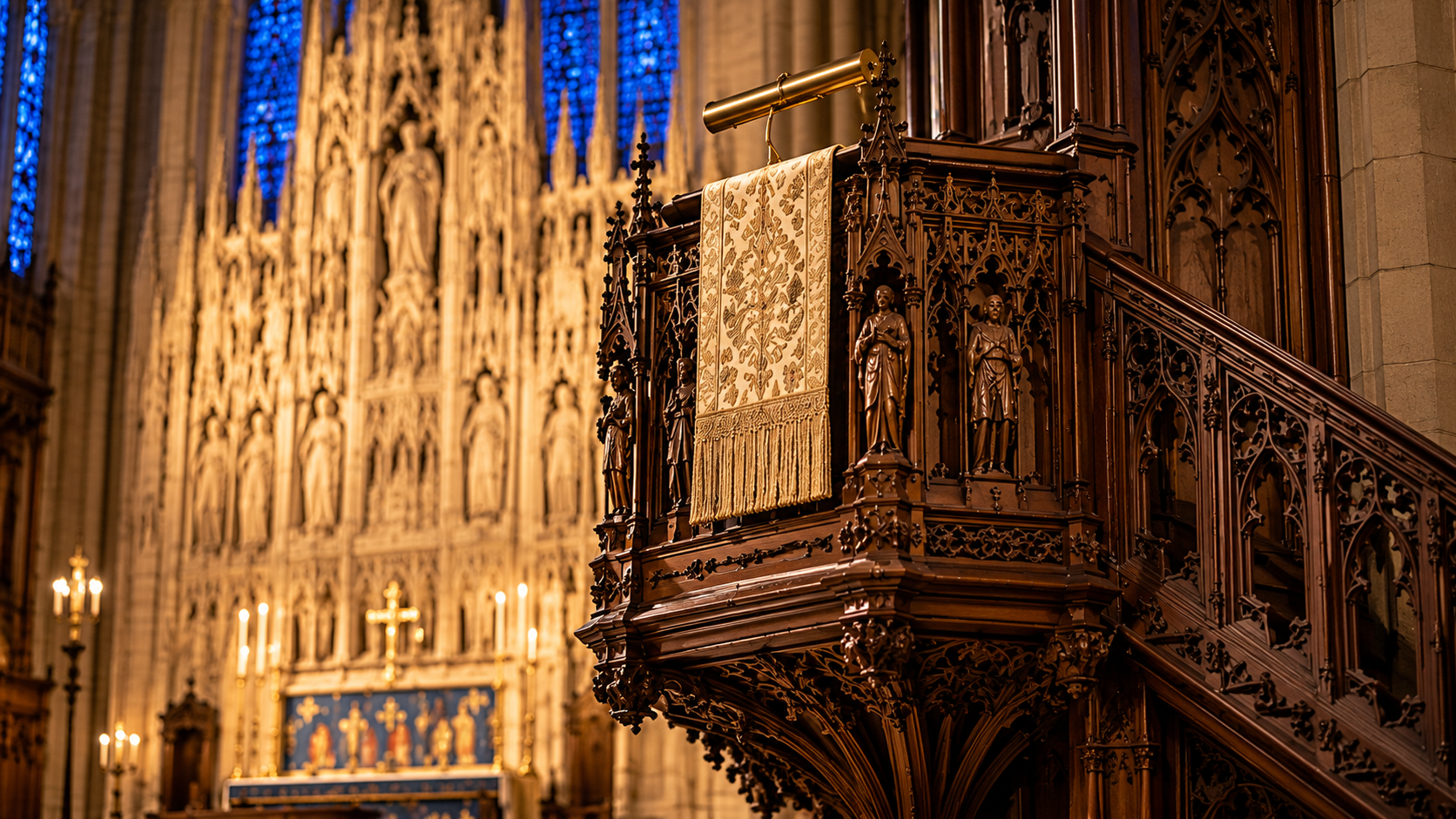
God spoke the cosmos into being through his word; God spoke to Abraham and fashioned a people for himself; the word of the LORD came to the prophets; and ultimately the word became flesh. While our liturgies are wordy, the liturgy has two climaxes: proclamation and sacrament. Word and Table stand in a mutually interpretive relationship. Neither is merely preparatory to the other, and neither exhausts the Church’s encounter with Christ. We Episcopalians ought to care deeply about preaching precisely because of our liturgical tradition, not despite it. Renewed preaching is necessary for the integrity of Anglican-Episcopal worship.


What is the Sunday Lectionary?
It is likely that you’ll hear a variation of the following words at an Anglican Church on Sunday morning, “Please be seated to be instructed from the Word of God.” It’s clear that the Bible is going to be read aloud for the purpose of teaching and formation, but who assigns the lessons? Is it left up to the whims and fancies of the priest or is there some standard by which our lessons are selected?


Why Do We Kneel in Prayer?
Perhaps most obvious is the verse from Psalm 95 when the psalmist urges the assembly, “O come, let us worship and bow down, let us kneel before the Lord, our Maker!” (Psalm 95:6). There is an inherent connection between kneeling and worshipping: that which we do with our bodies is as expressive as our words, if not more so.