


Sermon: Ready or Not
We have hope because Christ is alive and he has bought us and brought us into new life! There is no alas or woe for those who are in Christ Jesus!
My friends, the Lord is coming back, that is certain. He is returning as the bridegroom to claim his bride and to trample down death, darkness, and the devil once and for all. When he comes, his justice and righteousness will flow and ever-flow.

Sermon: Only It Wasn’t
The law is not given for legalism but for love.
The shape of the law is love;
The purpose of the law is love;
The essence of God is perfect love;
The goal of creation is…wait for it…love.
And not cheap love or toxic love or teenage love or any other kind of synthetic, dupe, knockoff, imitation love on the market. Love at its purest, most real.
These commandments are two sides of the same coin, mutually interpreting one another, constantly spurring the other side on to fidelity and steadfastness.

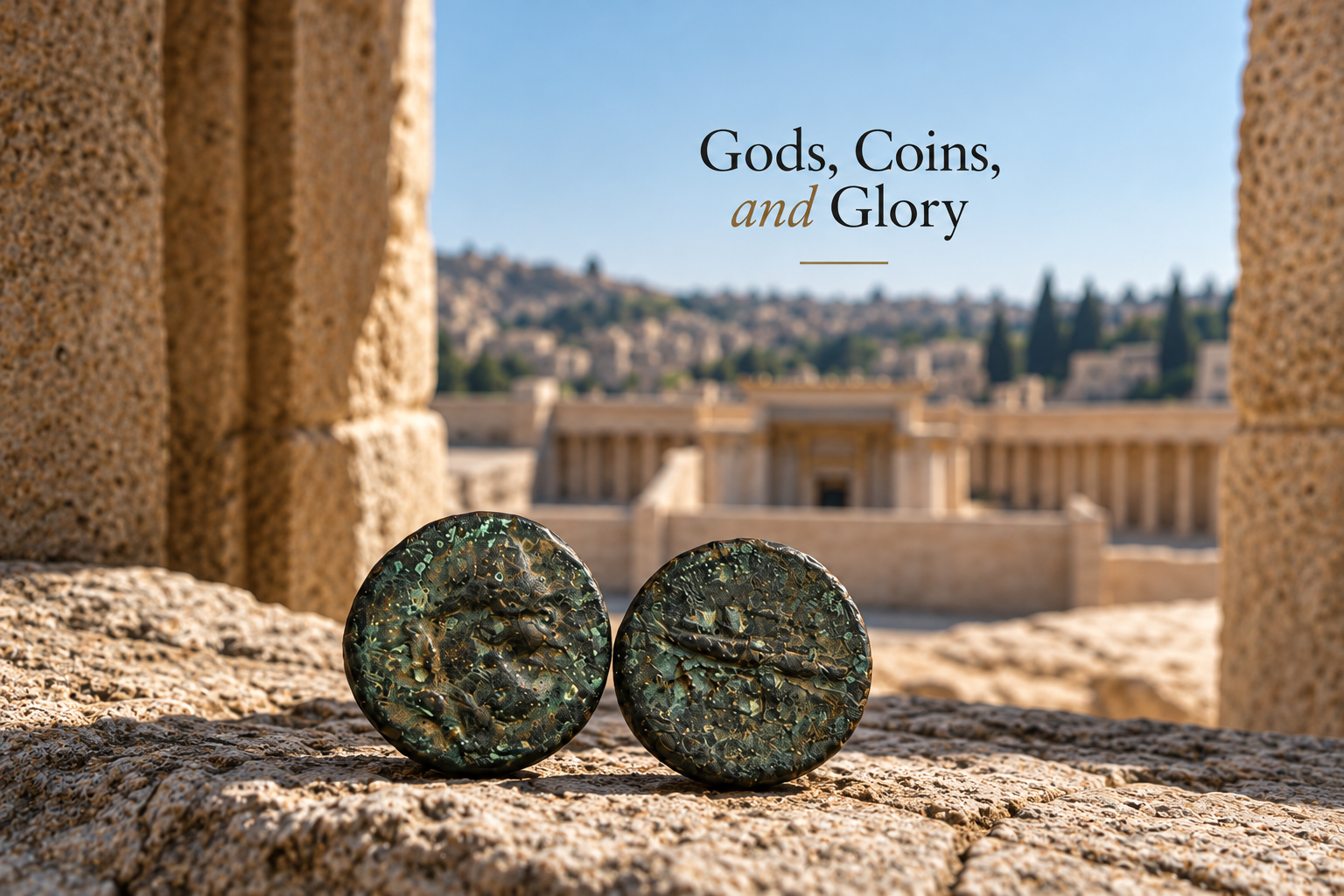
Sermon: Gods, Coins, and Glory
Caesar can have his coins because the earth is the LORD’s and everything in it.
Caesar can have his tax because the cattle on a thousand hills belong to the LORD.
Caesar can have his money because his power is neither absolute nor divine.
That all belongs to YHWH.
God's image has been imprinted upon humanity, and it is our holy task to let that divine spark shine to the glory of God's name.
Ingredients for a Lifetime of Preaching
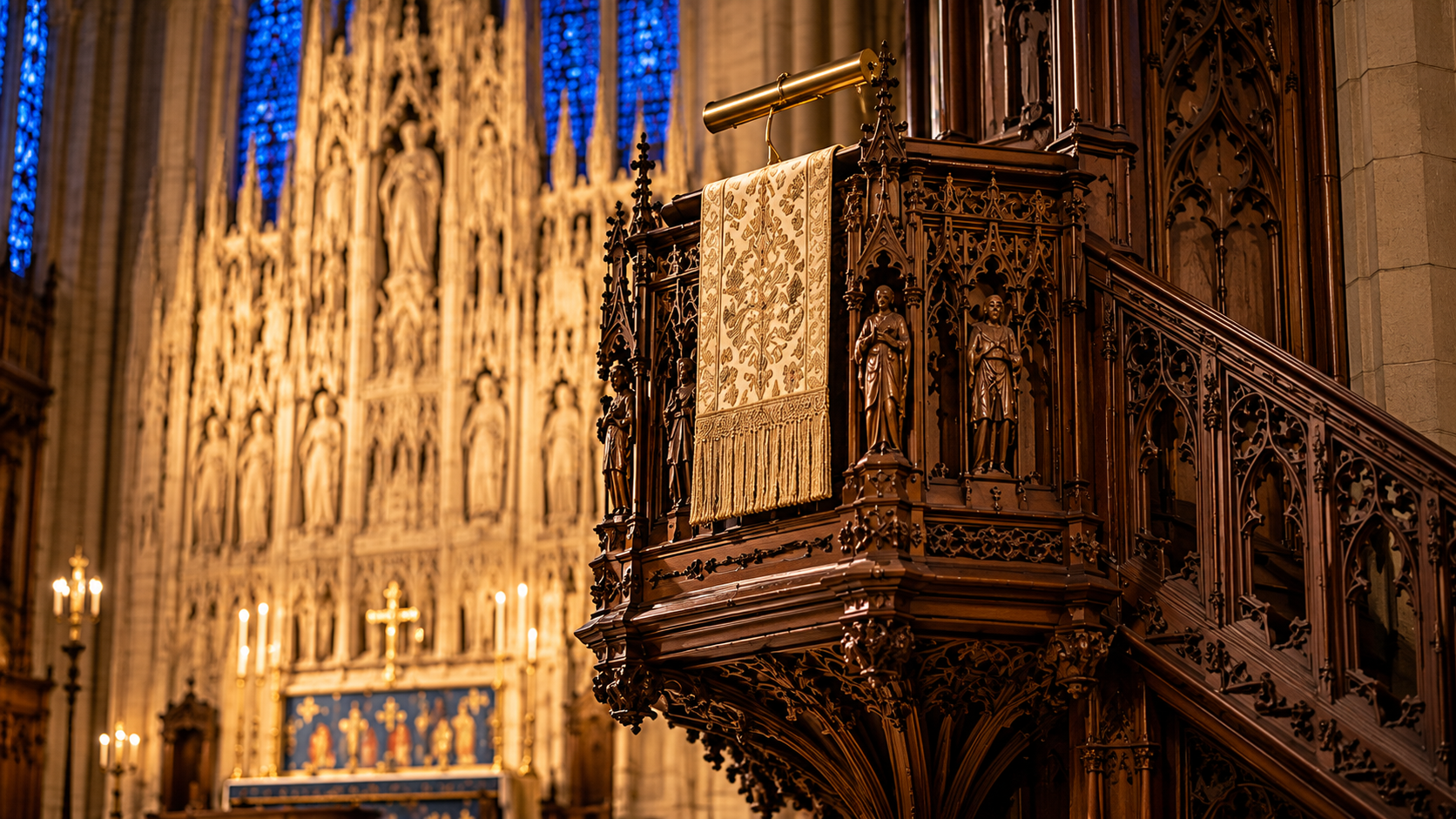
God spoke the cosmos into being through his word; God spoke to Abraham and fashioned a people for himself; the word of the LORD came to the prophets; and ultimately the word became flesh. While our liturgies are wordy, the liturgy has two climaxes: proclamation and sacrament. Word and Table stand in a mutually interpretive relationship. Neither is merely preparatory to the other, and neither exhausts the Church’s encounter with Christ. We Episcopalians ought to care deeply about preaching precisely because of our liturgical tradition, not despite it. Renewed preaching is necessary for the integrity of Anglican-Episcopal worship.

Sermon + Commentary: Idols, Invitations, and the Immortal
Israel wanted images of their new gods. Their God, the God of Abraham, Isaac, Jacob, and Moses was invisible. The living God could be seen through fire and cloud, plague, passover and parting the sea, but the people wanted something they could look at. In their short-sighted haste, they trade the invisible for the visible, the one true God for a false idol, the omnipotent for the impotent.

The Rizpah Response and Institutional Betrayal
The Cornell Seven have captured our collective attention, but Scripture gives us another seven. Seven men handed over by a king, killed, and left exposed before the Lord. And standing beneath those seven bodies is a woman named Rizpah. I believe her response gives us the very wisdom for action we need.

From the Archive: Idols, Invitations, and the Immortal
Their God has been going before them, but they want something different.
Israel wanted images of their new gods. Their God, the God of Abraham, Isaac, Jacob, and Moses was invisible. The living God could be seen through fire and cloud, plague, passover and parting the sea, but the people wanted something they could look at. In their short-sighted haste, they trade the invisible for the visible, the one true God for a false idol, the omnipotent for the impotent.

From the Archives: Further Up, Further In
The Christian life, the redeemed life of salvation, is not about resting on our laurels or sitting on our blessed assurance. It is not about counting our blessings while people suffer around the world or by sitting back and turning a blind eye, mute mouth, and deaf ear to the problems, wrongs, and evils of this world. The Christian life is not about believing that all of the right people already belong to this church or the Kingdom.
The Christian life is a hope-filled, joy-filled, gratitude-laden response to the summons to go further up, further in.

Sermon: Is the LORD Among Us or Not?
Jesus tells them that tax collectors and prostitutes are getting into the kingdom of God ahead of them. His cousin, John the baptizer, came with the good news and the religious elite didn’t listen but the social outcasts did. Birthday parties for prostitutes, receptions for tax collectors, banquets for lepers and sinners and ragamuffins. The mercy of God has been on full display with all of the wrong sorts of people getting in like Flynn to the kingdom of God and it has not moved the religious crowd toward conversion, confession, or conviction.
Instead, their hearts have calcified.
He says: And even after you saw it, you didn’t change your mind and believe.
Again, I ask, Is the LORD among us or not?

Sermon Commentary: Are You Envious Because I am Generous?
You cannot preach against contempt by giving the congregation someone new to condemn or hold in contempt. The only way to preach against contempt is to throw yourself, your sermon, and your congregation on the rock that is Christ, on the ground that is holy, on the bush that burns yet is not consumed, on the lavish and radiant love of Almighty God which purges, purifies, convicts, converts, rescues, and redeems.

Sermon: Are You Envious Because I am Generous?
And of all the audacious acts that Nineveh could conceive, it never occurred to Jonah that they just might accept the invitation. Despite his eventual willingness to see the mission through to completion, Jonah had not wrapped his mind around the great grandiosity of God’s graciousness or the magnificent might of his mercy.


Sermon: Masters of Mercy
Masters of Mercy explores how our habits form us in an age when Americans spend nearly 49 hours each week consuming digital content. Moving through Matthew 15—from the Pharisees’ obsession with purity to the persistent faith of the Canaanite woman—the sermon reveals the widening reach of God’s saving mercy. Isaiah and Romans confirm that God gathers outsiders and extends grace beyond expected boundaries. Because we ourselves have been gathered and welcomed to a table we did not earn, Christians are called to become “masters of mercy,” formed by Christ and sent to gossip the good news.

Sermon: Thy Strong Word
God does not always show up in the ways we expect. Elijah encounters him not in wind, earthquake, or fire, but in sheer silence; the disciples encounter him walking across a raging sea. Yet in both stories, the decisive reality is the same: the trustworthy Word of the living God. The Word who tells Elijah to go and Peter to come still speaks to us, calling forth the same response from God’s people: trust and worship.

Sermon: Tell and Show
This sermon considers the feeding of the five thousand as an instance of God’s characteristic pattern of “telling and showing.” Jesus has already described the hidden, abundant economy of the kingdom through parables; now, in a deserted place among a hungry crowd, he makes that kingdom visible through compassion, healing, bread, and the gathered fragments. Read alongside Isaiah 55 and Psalm 145, the miracle reveals God’s provision as the tangible expression of his steadfast love and the fulfillment of his covenant promises. The Eucharistic pattern of taking, blessing, breaking, and giving then becomes not only a sign of Christ’s self-offering but also a pattern for Christian witness: having heard and seen the goodness of God in Christ, the Church is sent to tell that good news and embody it before a hungry world.