
Sermon: Masters of Mercy
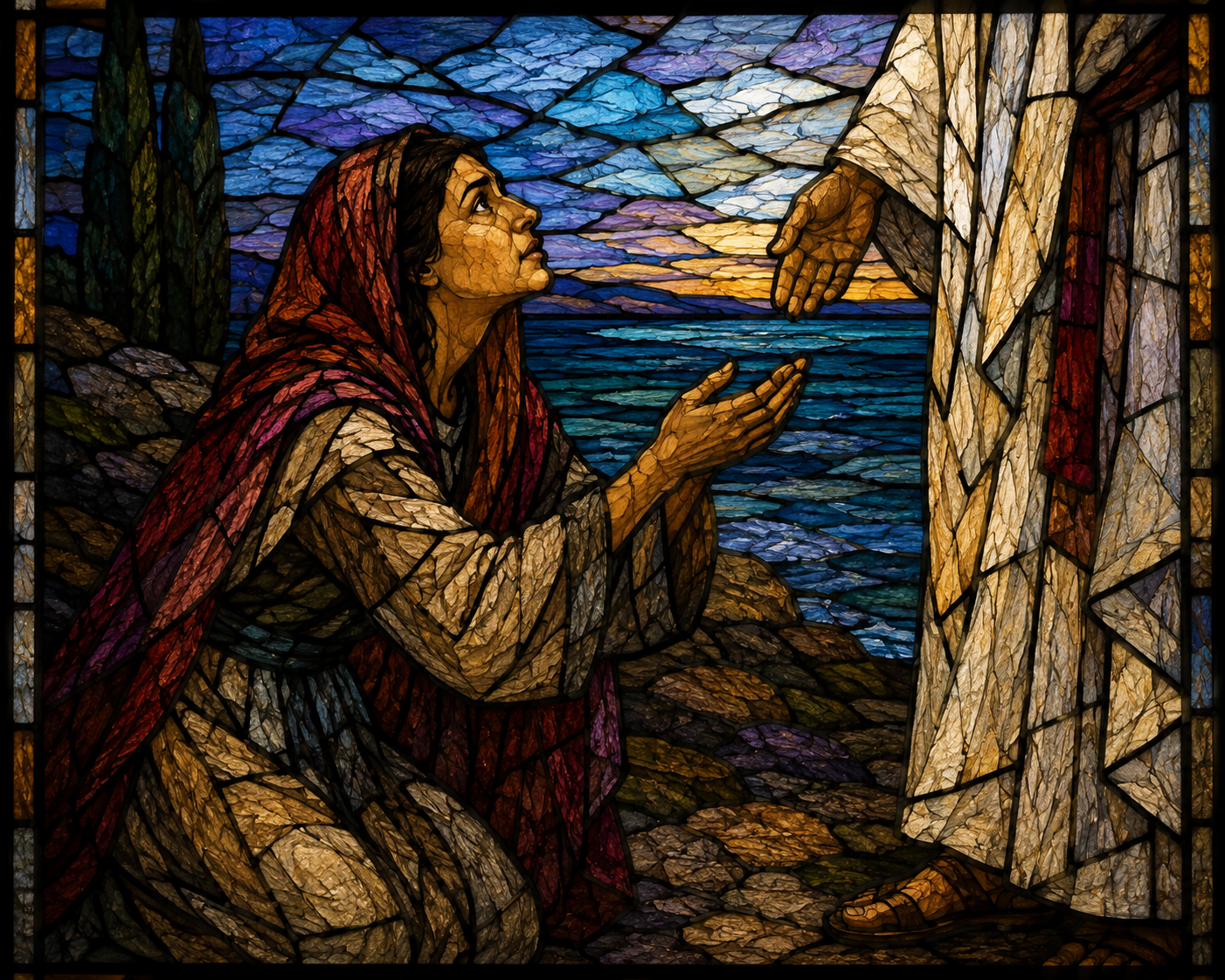
Masters of Mercy explores how our habits form us in an age when Americans spend nearly 49 hours each week consuming digital content. Moving through Matthew 15—from the Pharisees’ obsession with purity to the persistent faith of the Canaanite woman—the sermon reveals the widening reach of God’s saving mercy. Isaiah and Romans confirm that God gathers outsiders and extends grace beyond expected boundaries. Because we ourselves have been gathered and welcomed to a table we did not earn, Christians are called to become “masters of mercy,” formed by Christ and sent to gossip the good news.

Sermon: Gamblin' on Heaven
At its core, every wager is an act of faith. Every bet asks the same question: What, or whom, can I trust with my future? Christ followers are called to trust in something stronger.Something steadfast.Something surer.Our passages show us that the safest, surest bet is not a sports team, player, statistic, political party, stock, or a man-made work. Instead, our readings demonstrate what it looks like to train for the Kingdom by gamblin’ on heaven. In fact, these passages show us the false bet, the better bet, and the sure bet.
Hymn: Upon the Height of Tabor's Mount
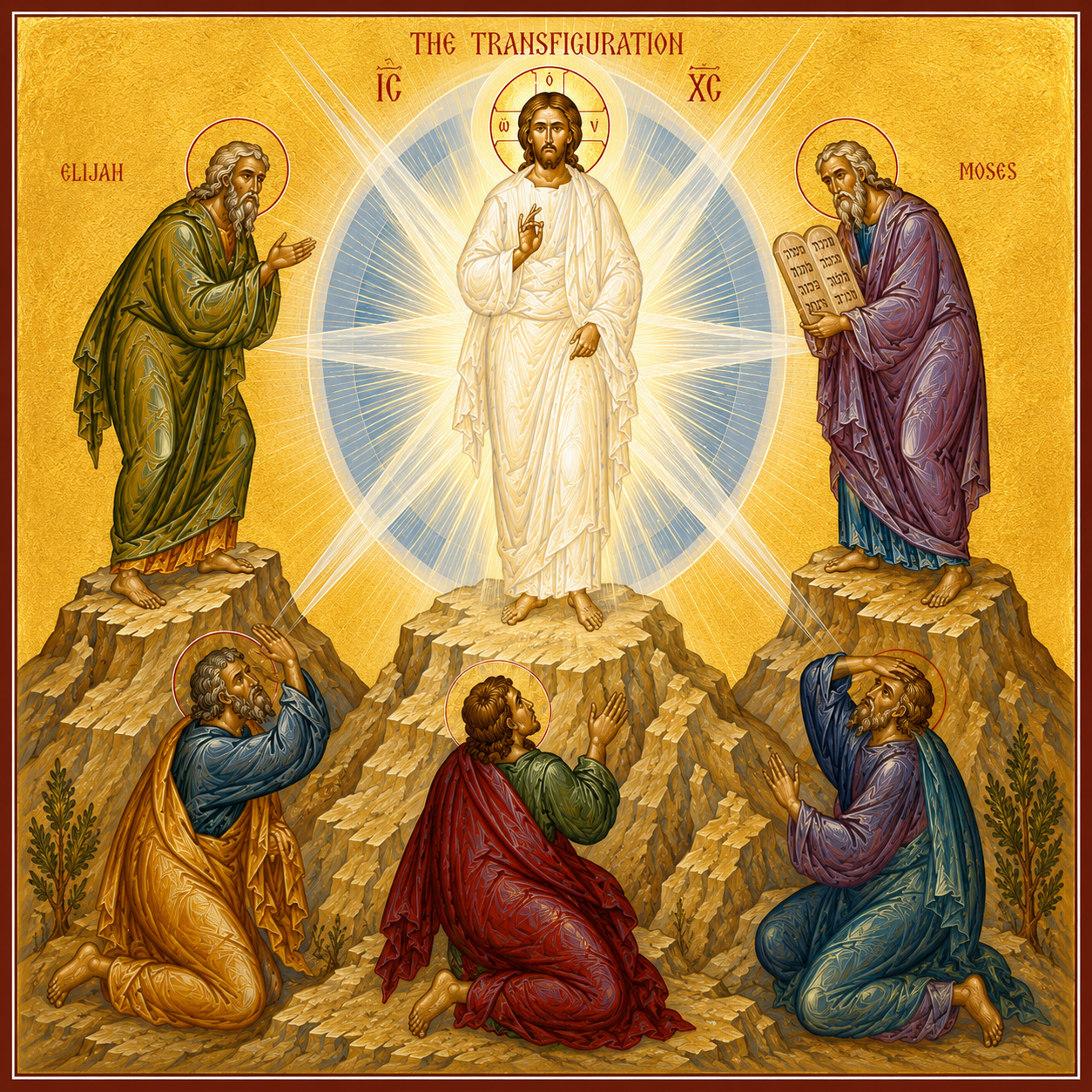
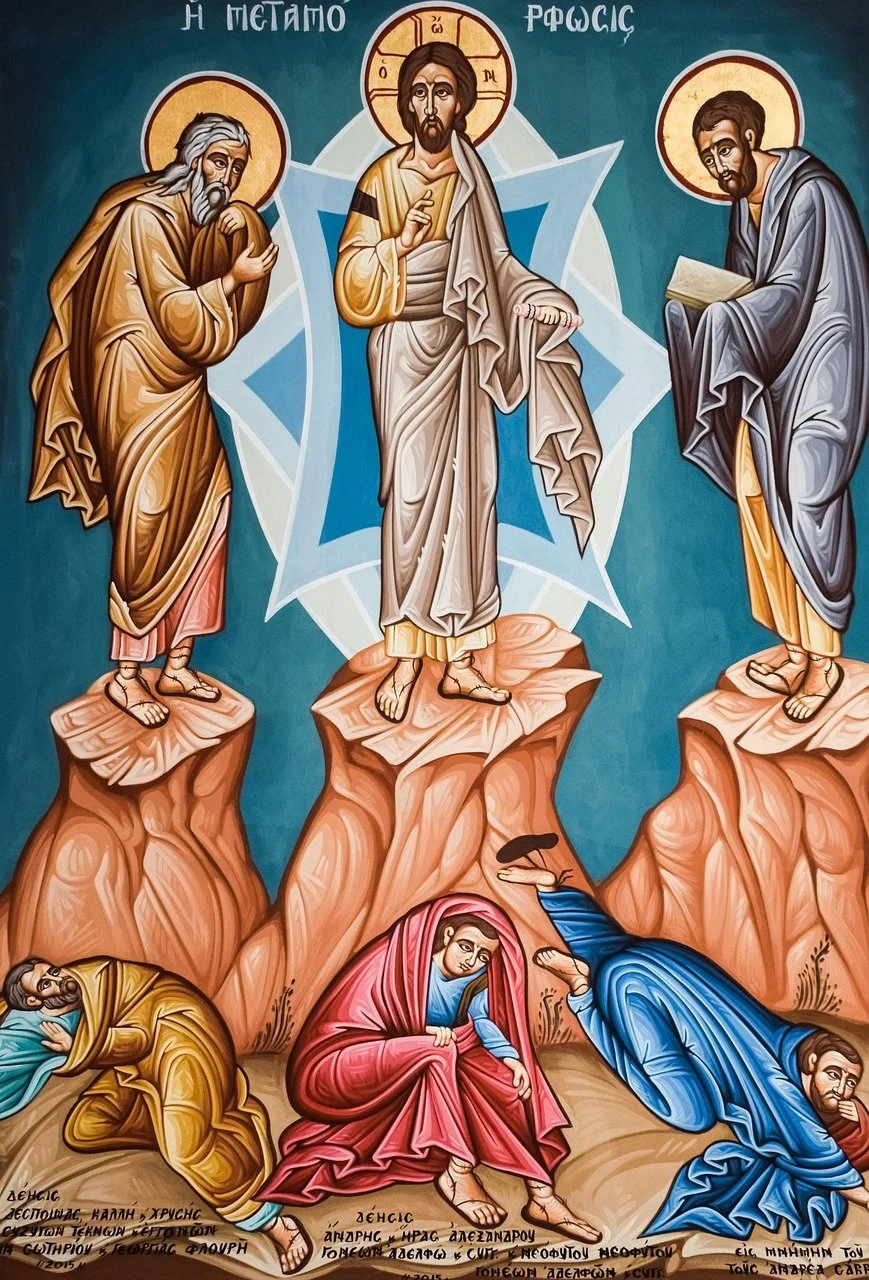
I have worshipped in parishes in the almost forty years of my life, I have become increasingly aware that the wonders of our hymnal (TEC 1982) include a surprising lack of options for certain days of the year or biblical themes. The Transfiguration is one such story. Occurring twice in the lectionary with its own feast day and Last Epiphany, the hymnal has a rather thin set of offerings to commemorate this incredible hinge moment as Galilean ministry becomes Jerusalemite mission.
Behold and Beholding the Glory
Jesus doesn’t become glorious on the mountain. He has always been glorious, from before the beginning of time, from before the foundations of the world. In the Transfiguration, we find the veil being pulled back and Jesus is seen and revealed as he truly is!

Lyke Lost Shepe
All we lyke lost shepe have gone astray, but praise be to God that the Good Shepherd’s mercy is more, his forgiveness is stronger, his grace is amazing, and his love is unrelenting.
Do You Know What I have Done To You?
Maundy Thursday is charged with so much historical electricity, such thick theological meaning that you can’t take a step or two without bumping into a significant biblical theme. It’s like a one-pot meal: Passover, Eucharist, sacrificial lambs, foot washing, stripping the altar, pain, passion, servitude, glory, forgiveness, and divine love all mixed together.
Substitutiary Locomotion?
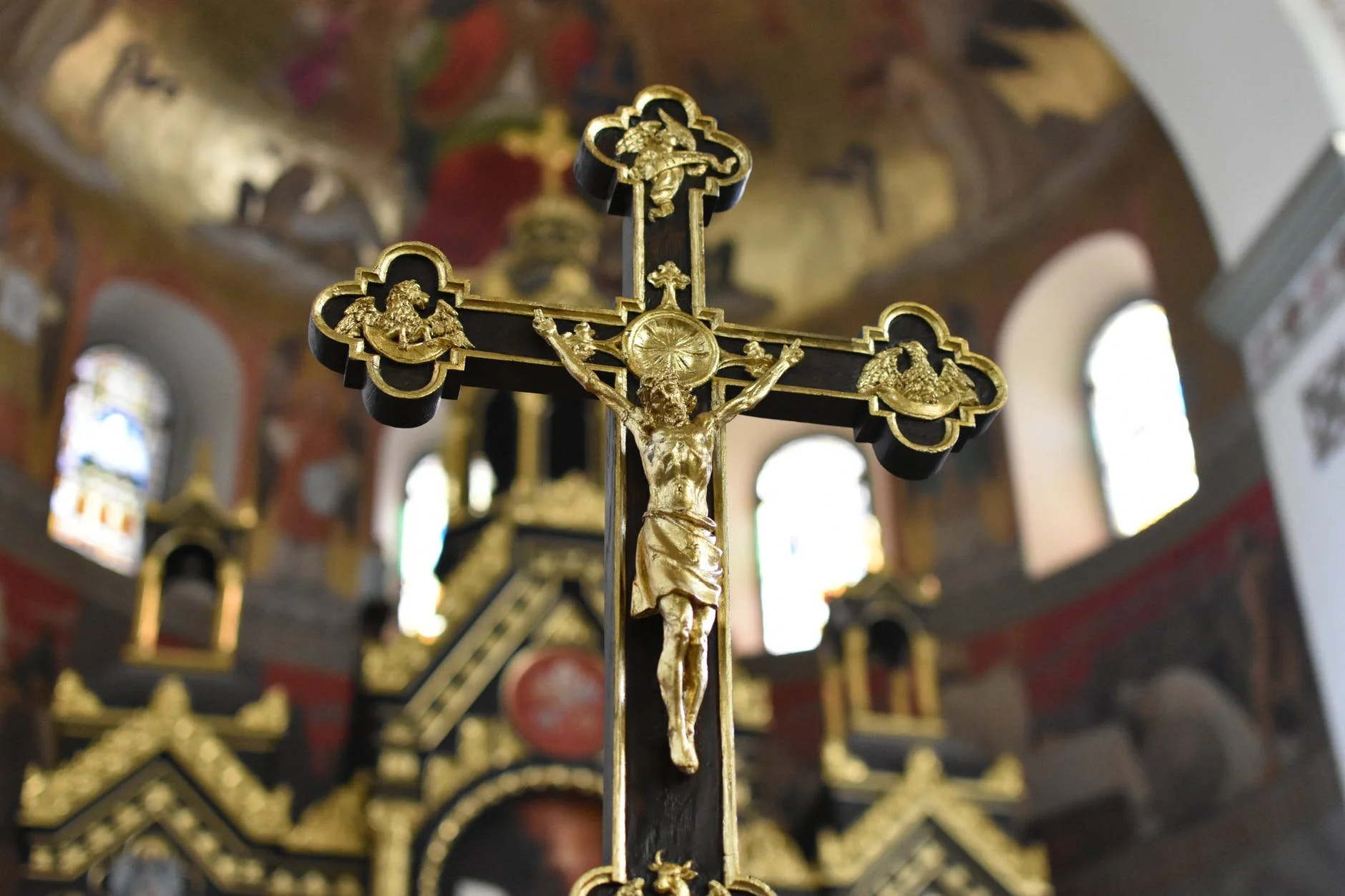
On this Fifth Sunday in Lent, the final Sunday before the Sunday of the Passion and the commencing of Holy Week, the lectionary offers us up a heavy and necessary dose of hopeful fortification for the things to come. After the pomp and circumstance of next week’s procession of palms, we will be thrust into the depths of the crucifixion, into the agony of the cross and tragically tremendous terror that is the fallenness of humanity. It will be so easy for us to enter into the narrative and lose sight of the fact that Jesus is not helpless in his hour of need, but rather the Powerful One has allowed himself to be powerless that humanity’s perpetual propensity for sin might extinguish and exhaust itself upon his life and body.

Constant Vigilance: A Sermon for Advent 1
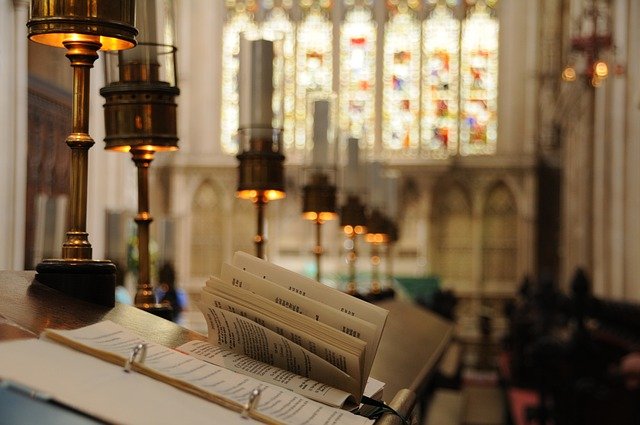
We are not awaiting the thief to come in the night. While the second coming might be compared to a thief coming in the night, please remember that we are actually talking about the return of the King, the coming of the One who has a rightful claim to the throne and who will judge all things and put the world to rights. Jesus is coming, both King of kings and Lord of lords, and our call is to prepare our hearts for his return, even as we reflectively prepare to celebrate his birth once more. May we be found faithful and vigilant.
Anglican Spiritual Formation: Worship
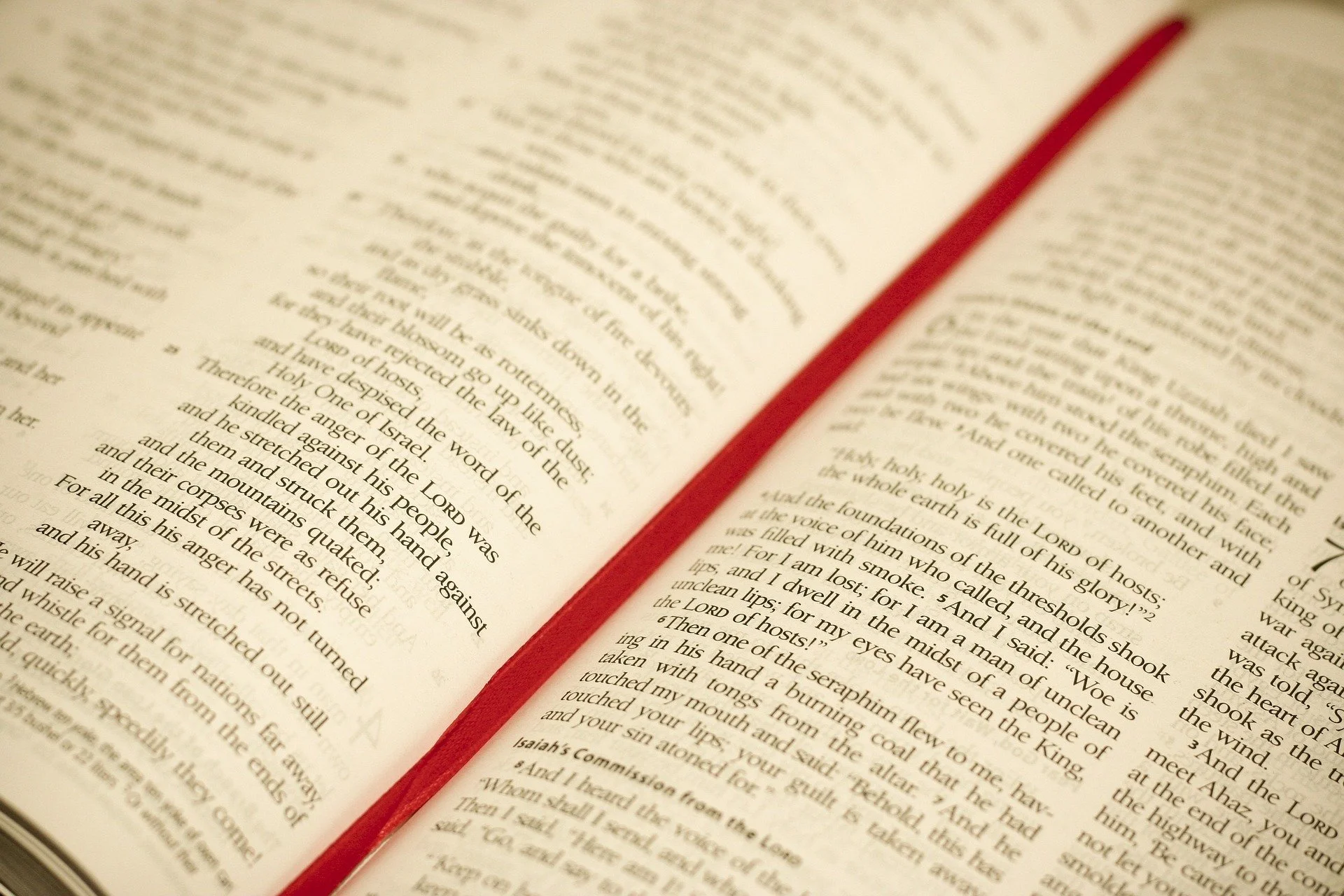
All that exists is God’s gift to man, and it all exists to make God known to man, to make man’s life communion with God. It is divine love made food, made life for man. God blesses everything He creates, and, in biblical language, this means that He makes all creation the sign and means of His presence and wisdom, love and revelation. (For the Life of the World)

What is the Sunday Lectionary?
It is likely that you’ll hear a variation of the following words at an Anglican Church on Sunday morning, “Please be seated to be instructed from the Word of God.” It’s clear that the Bible is going to be read aloud for the purpose of teaching and formation, but who assigns the lessons? Is it left up to the whims and fancies of the priest or is there some standard by which our lessons are selected?

Why Do We Kneel in Prayer?
Perhaps most obvious is the verse from Psalm 95 when the psalmist urges the assembly, “O come, let us worship and bow down, let us kneel before the Lord, our Maker!” (Psalm 95:6). There is an inherent connection between kneeling and worshipping: that which we do with our bodies is as expressive as our words, if not more so.