
From the Archive: Idols, Invitations, and the Immortal
Their God has been going before them, but they want something different.
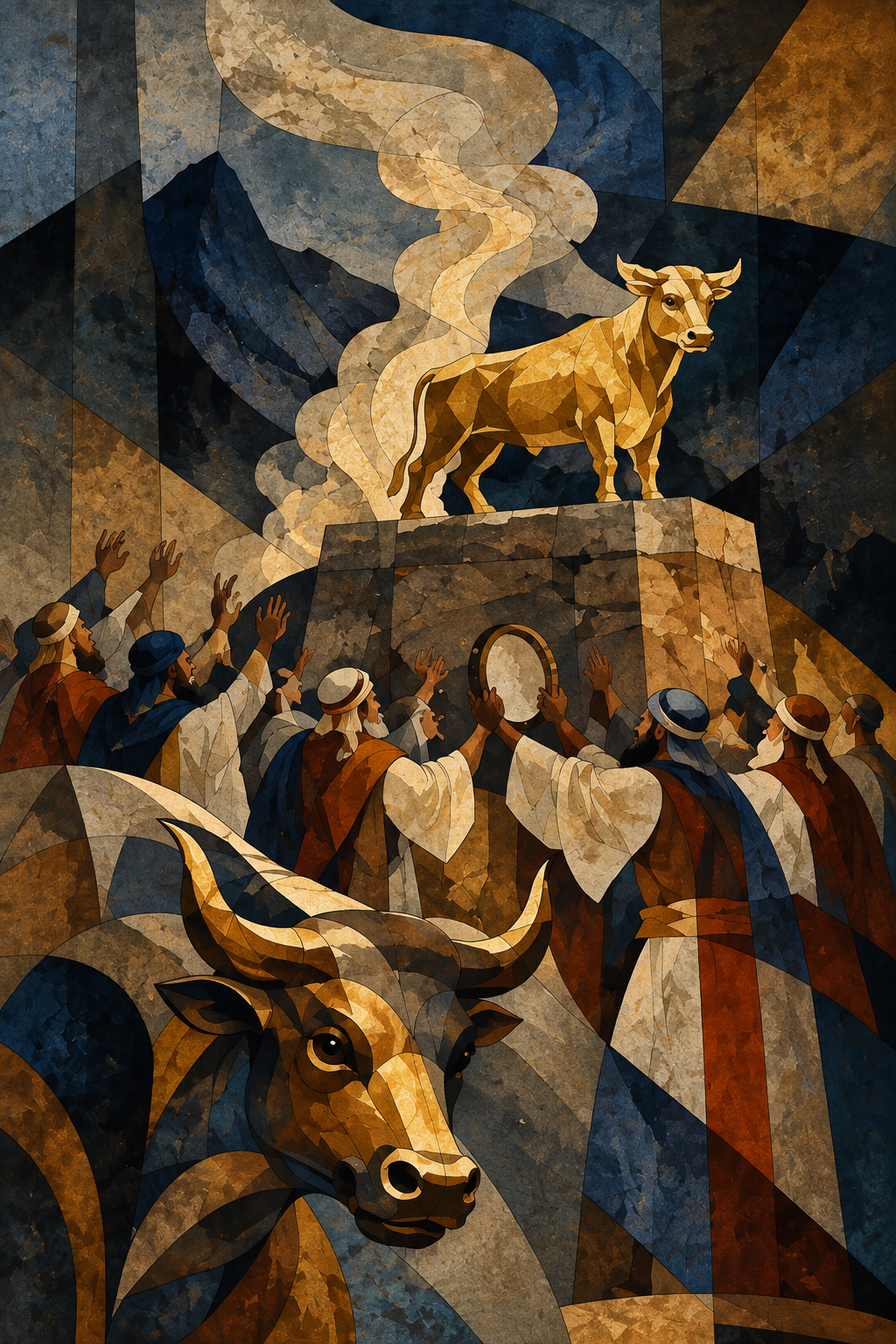
Israel wanted images of their new gods. Their God, the God of Abraham, Isaac, Jacob, and Moses was invisible. The living God could be seen through fire and cloud, plague, passover and parting the sea, but the people wanted something they could look at. In their short-sighted haste, they trade the invisible for the visible, the one true God for a false idol, the omnipotent for the impotent.
Substitutiary Locomotion?
On this Fifth Sunday in Lent, the final Sunday before the Sunday of the Passion and the commencing of Holy Week, the lectionary offers us up a heavy and necessary dose of hopeful fortification for the things to come. After the pomp and circumstance of next week’s procession of palms, we will be thrust into the depths of the crucifixion, into the agony of the cross and tragically tremendous terror that is the fallenness of humanity. It will be so easy for us to enter into the narrative and lose sight of the fact that Jesus is not helpless in his hour of need, but rather the Powerful One has allowed himself to be powerless that humanity’s perpetual propensity for sin might extinguish and exhaust itself upon his life and body.
Stay Salty, My Friends
nature of a covenant. No wonder Jesus is a priest in the line of Melchizedek forever and that he will reign on David’s throne, forever.
Anglican Spiritual Formation: Worship
All that exists is God’s gift to man, and it all exists to make God known to man, to make man’s life communion with God. It is divine love made food, made life for man. God blesses everything He creates, and, in biblical language, this means that He makes all creation the sign and means of His presence and wisdom, love and revelation. (For the Life of the World)
Anglican Spiritual Formation: An Introduction
We have forgotten that orthodoxy does not really mean “right thought,” but “right glory.” It is a word concerned primarily with seeing God for who he is and worshiping him in accordance with that vision. Orthopraxy is actually an unnecessary word because, without it, you cannot have orthodoxy.
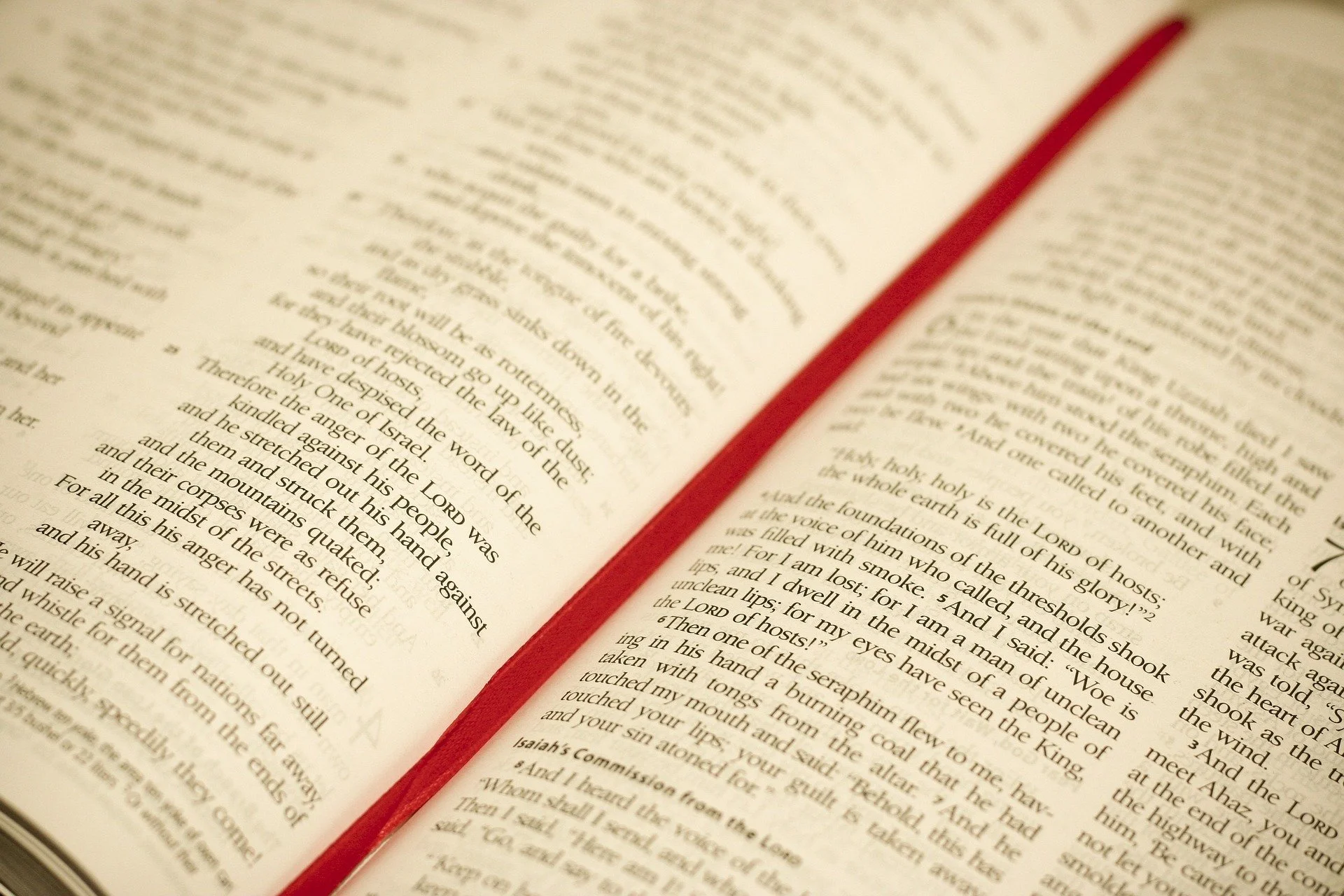
What is the Sunday Lectionary?
It is likely that you’ll hear a variation of the following words at an Anglican Church on Sunday morning, “Please be seated to be instructed from the Word of God.” It’s clear that the Bible is going to be read aloud for the purpose of teaching and formation, but who assigns the lessons? Is it left up to the whims and fancies of the priest or is there some standard by which our lessons are selected?

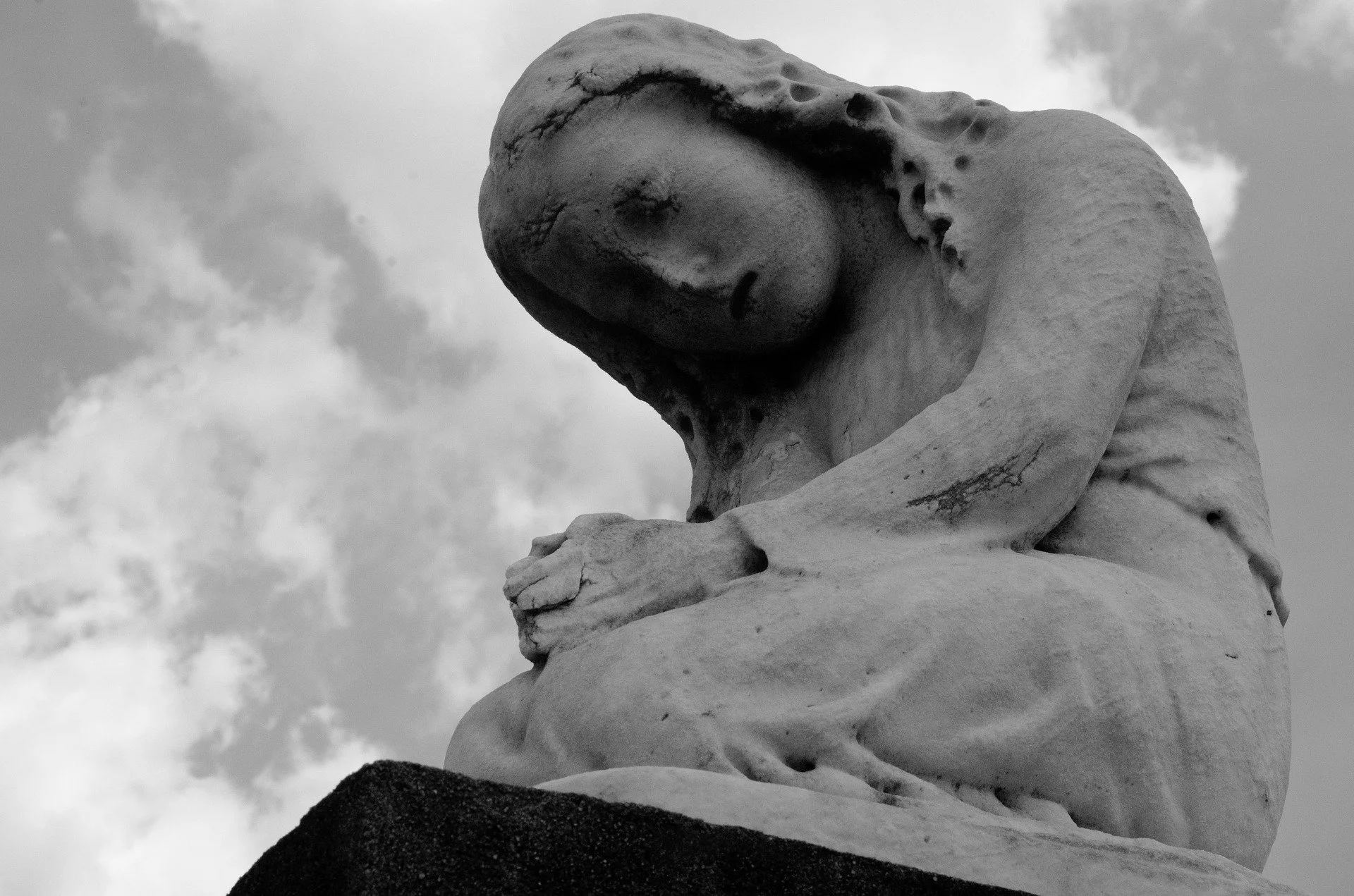
Why Do We Kneel in Prayer?
Perhaps most obvious is the verse from Psalm 95 when the psalmist urges the assembly, “O come, let us worship and bow down, let us kneel before the Lord, our Maker!” (Psalm 95:6). There is an inherent connection between kneeling and worshipping: that which we do with our bodies is as expressive as our words, if not more so.