

Anglican Spiritual Formation: Community
“There is a certain resemblance between the unity of the divine persons and the fraternity that men are to establish among themselves in truth and love. Love of neighbor is inseparable from love for God.”
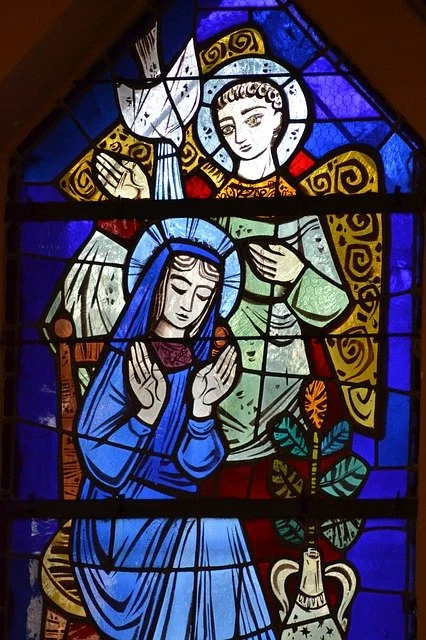
Anglican Mariology: A Modern Reformation
Anglicanism remains as that branch of the Protestant tradition which holds fast to the rich traditions of the church and can be, both historically and liturgically, tied to the Roman Catholic Church.[1] While other Protestant traditions emulate these characteristics, none do so like the Anglican tradition. That being said, one can see the rich Mariology of Catholicism present within Anglican liturgy. This is where Anglicanism receives its popular slogan: “too Protestant to be Catholic and too Catholic to be Protestant.” Although a blanket statement which may be misleading at times, pertaining to Mariology it does fit well. Truly, Anglican Mariology is far too Catholic for most Protestants to be comfortable with it, but also far too Protestant for Catholics to agree.
Anglican Spiritual Formation: An Introduction
We have forgotten that orthodoxy does not really mean “right thought,” but “right glory.” It is a word concerned primarily with seeing God for who he is and worshiping him in accordance with that vision. Orthopraxy is actually an unnecessary word because, without it, you cannot have orthodoxy.
What is the Sunday Lectionary?
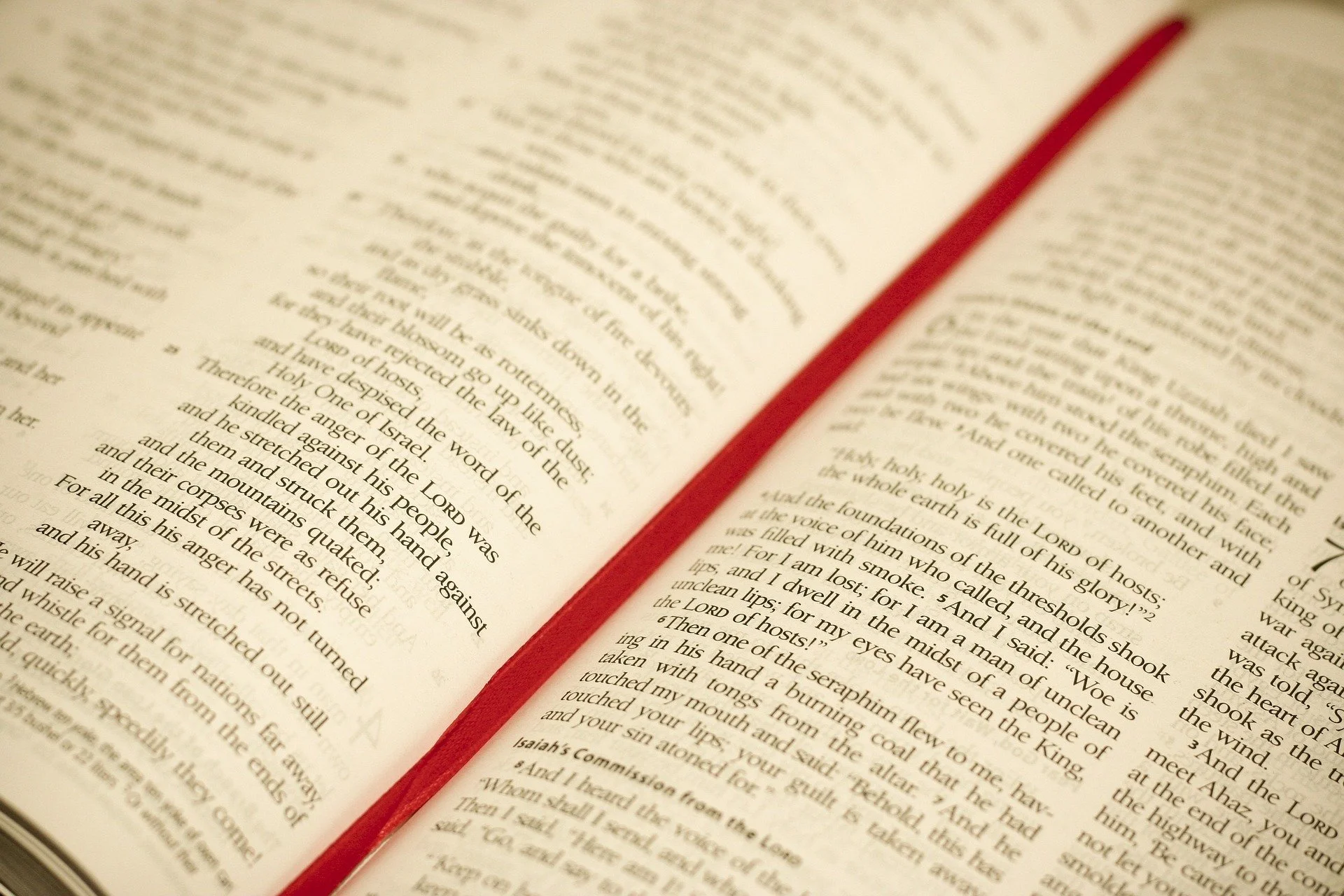
It is likely that you’ll hear a variation of the following words at an Anglican Church on Sunday morning, “Please be seated to be instructed from the Word of God.” It’s clear that the Bible is going to be read aloud for the purpose of teaching and formation, but who assigns the lessons? Is it left up to the whims and fancies of the priest or is there some standard by which our lessons are selected?

Why Do We Kneel in Prayer?
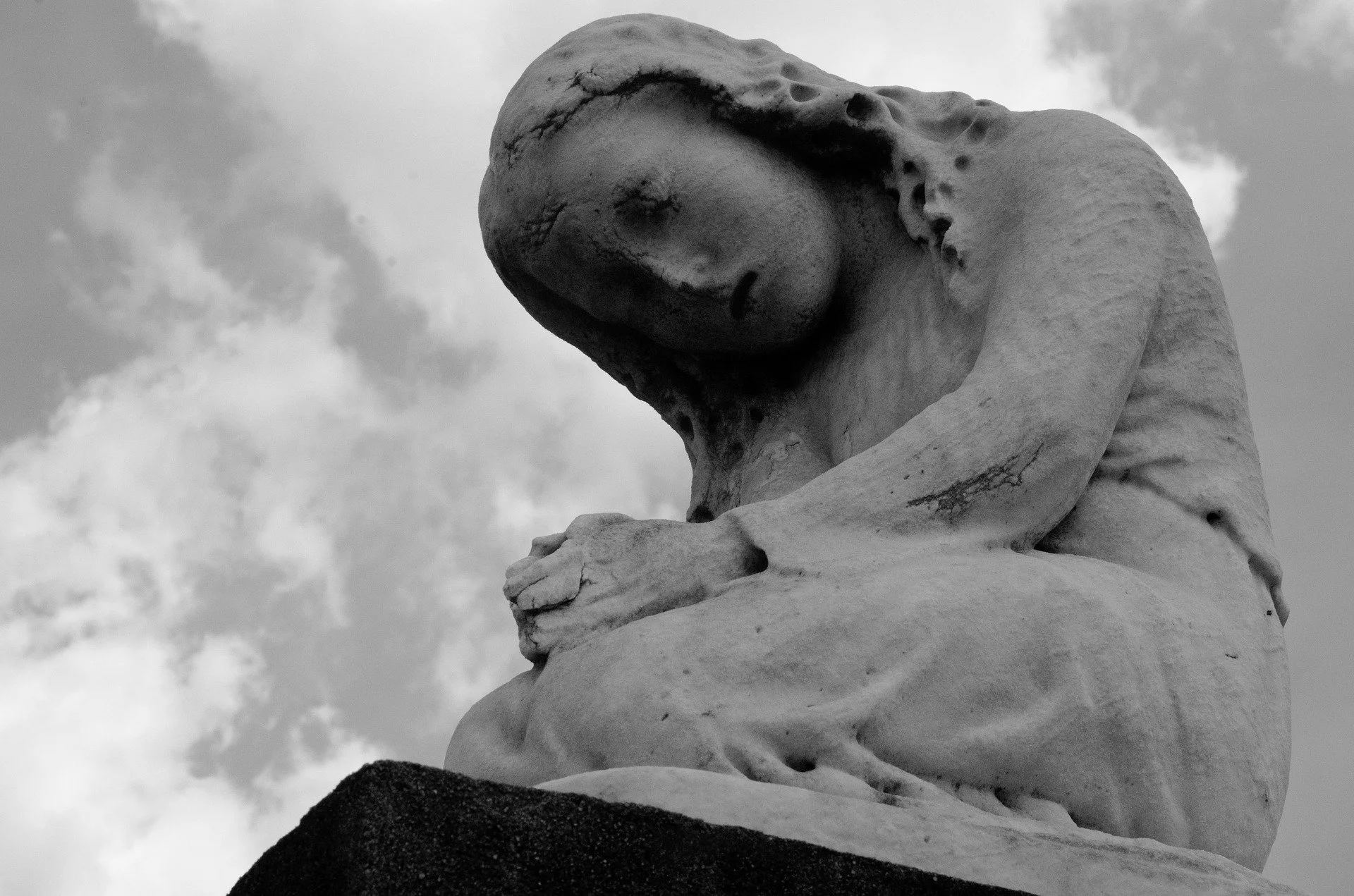
Perhaps most obvious is the verse from Psalm 95 when the psalmist urges the assembly, “O come, let us worship and bow down, let us kneel before the Lord, our Maker!” (Psalm 95:6). There is an inherent connection between kneeling and worshipping: that which we do with our bodies is as expressive as our words, if not more so.
The Eucharist and the Communion of the Saints
It is through the words and actions of our heartfelt praise and gratitude that we are connected to believers across all generations in a real and tangible sense. We have the hope that when the kingdom is fulfilled we will sit around the table in that heavenly country with brothers and sisters whom we have never met.